
Hair Fall and Regrowth: Causes, Treatments & Tips for Healthier Hair
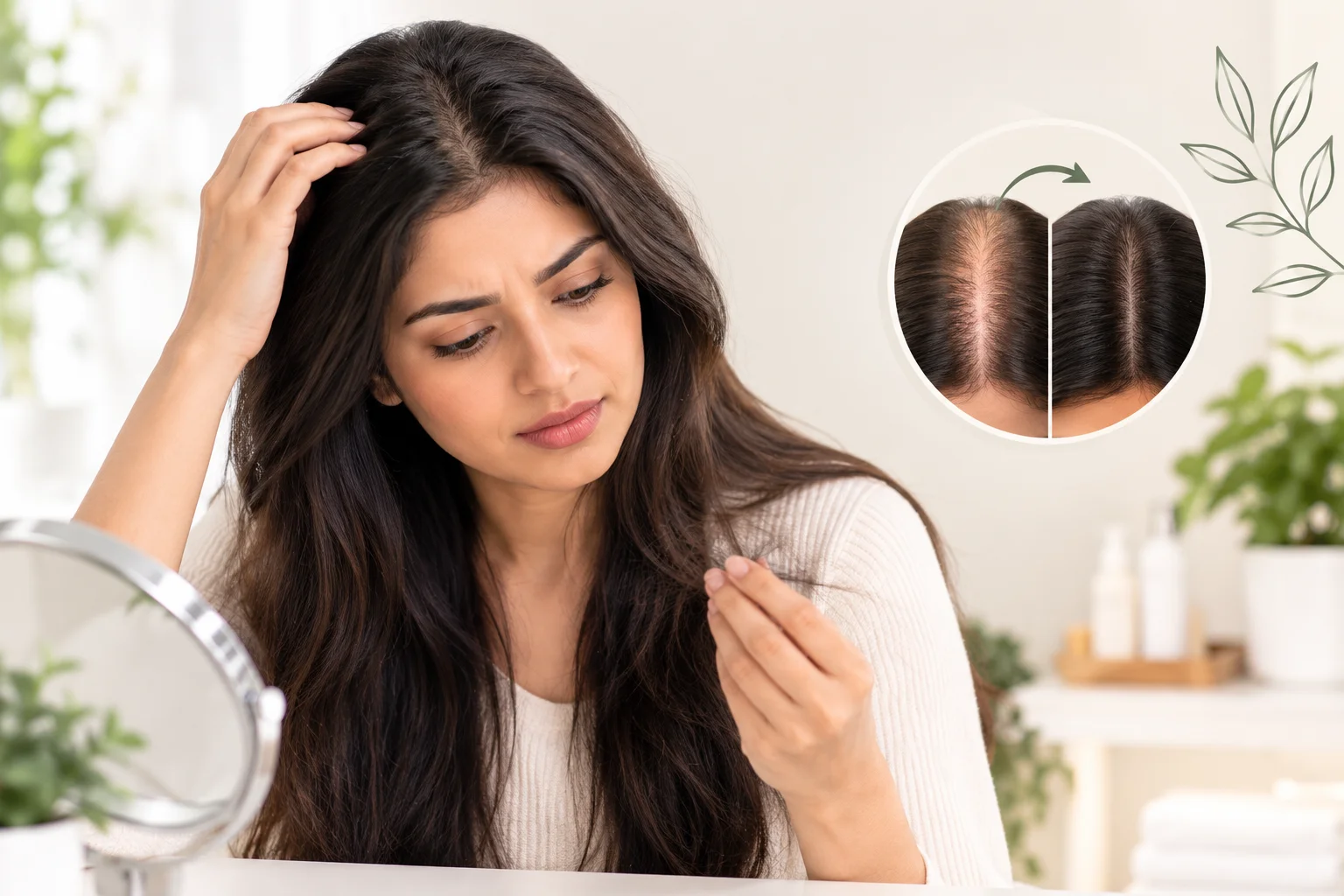
Hair fall is a common concern that affects people of different ages. Finding more hair on your pillow, noticing strands in the shower, or seeing your hair become thinner can be frustrating. The good news is that many causes of hair fall can be identified, and suitable treatments may help reduce hair loss or support regrowth.
At Hiwaga, we believe that healthy hair begins with understanding your scalp, lifestyle, and individual hair care needs. This guide explains the common causes of hair fall, available treatment options, and practical ways to maintain healthier hair.
What Is Hair Fall?
Hair fall is the shedding of hair from the scalp. Losing around 50–100 hairs per day is generally considered normal as part of the natural hair growth cycle.
However, excessive shedding, a widening parting, visible scalp, receding hairline, or thinning patches may indicate a hair or scalp concern that needs attention.
Hair loss can occur gradually or suddenly. Identifying the underlying cause is an important first step in choosing the right treatment.
What Are the Common Causes of Hair Fall?
Hair fall can have several causes. Understanding them helps you make better decisions about your hair care.
1. Nutritional Deficiencies
Hair growth requires adequate nutrition. Low iron levels, insufficient protein intake, and certain vitamin deficiencies may contribute to hair shedding in some people.
A balanced diet that includes protein-rich foods, vegetables, fruits, legumes, nuts, and other nutrient-dense foods supports overall health. Supplements should generally be taken when a deficiency has been identified or a healthcare professional recommends them.
2. Stress and Lifestyle Changes
Physical or emotional stress can trigger a type of shedding called telogen effluvium. It may occur after a major illness, surgery, significant weight loss, or a stressful life event.
This shedding often begins a few months after the trigger. Hair density may gradually recover once the underlying issue improves, although recovery time varies.
3. Hormonal and Genetic Factors
Genetic hair loss, also called androgenetic alopecia, is a common cause of gradual hair thinning in both men and women.
Hormonal changes and certain medical conditions, including thyroid disorders, may also affect hair growth. A professional assessment can help determine whether further investigation is needed.
4. Scalp Conditions
Dandruff, scalp inflammation, infections, and other skin conditions may contribute to itching, irritation, breakage, or hair loss.
Keeping the scalp clean and using appropriate products can help manage some scalp concerns. Persistent itching, redness, scaling, or patchy hair loss should be assessed by a qualified healthcare professional.
5. Hair Styling and Chemical Treatments
Frequent heat styling, harsh chemical treatments, tight hairstyles, and rough brushing can weaken hair or cause breakage. Repeated tension from tight hairstyles may lead to traction alopecia, which can sometimes become permanent.
Choose gentle hair care practices and avoid hairstyles that consistently pull on the scalp.
What Are the Best Hair Regrowth Treatments?
There is no single hair regrowth treatment that works for everyone. The right approach depends on the cause, severity, medical history, and pattern of hair loss.
1. Professional Hair and Scalp Assessment
An assessment helps identify the pattern of hair loss and possible contributing factors. Depending on your symptoms, a healthcare professional may recommend blood tests, scalp examination, or other investigations.
A clear understanding of the cause helps avoid unnecessary treatments.
2. Topical Minoxidil
Topical minoxidil is an established treatment for certain types of hair loss, including pattern hair loss. It may help slow hair loss and support regrowth in suitable individuals.
Results usually require consistent use over several months, and continued use is generally needed to maintain benefits. It may cause scalp irritation or temporary increased shedding at the beginning. Consult a healthcare professional to determine whether it is appropriate for you.
3. Prescription Treatments
Certain prescription medicines may help manage specific forms of hair loss. Their suitability depends on the individual's health, age, sex, pregnancy potential, and diagnosis.
These medicines can have side effects and should only be used under appropriate medical guidance.
4. Platelet-Rich Plasma (PRP) Therapy
PRP therapy involves preparing a concentrate from a person's own blood and injecting it into the scalp. It is offered for some types of hair thinning, particularly pattern hair loss.
Evidence suggests that PRP may improve hair density for some people, but results vary, protocols differ, and more research is needed. A qualified clinician can explain the potential benefits, limitations, costs, and risks.
5. Treating Underlying Nutritional or Medical Problems
When hair loss is related to an identified deficiency or medical condition, treating that issue may help improve shedding.
Taking high-dose supplements without confirming a deficiency is not recommended. Excessive amounts of certain nutrients can actually worsen hair loss or cause other health problems.
Simple Hair Care Tips to Support Healthier Hair
Healthy hair care habits can reduce avoidable damage and complement appropriate treatment.
Eat a balanced diet: Include sufficient protein and a variety of nutrient-rich foods.
Handle wet hair gently: Use a wide-tooth comb and avoid aggressive towel rubbing.
Limit excessive heat: Reduce frequent use of high-temperature styling tools.
Avoid tight hairstyles: Choose styles that do not pull continuously on the roots.
Care for your scalp: Use products suitable for your scalp type and address persistent dandruff or irritation.
Manage stress: Regular physical activity, adequate sleep, and relaxation may support general well-being.
Be patient with treatment: Hair growth takes time, and improvements are usually gradual.
Remember that oils, shampoos, and home remedies cannot reliably reverse every type of hair loss. Choose treatments based on the likely cause rather than relying on one product or trend.
How Long Does Hair Regrowth Take?
Hair regrowth is a gradual process. The timeline depends on the cause of hair loss and the treatment used.
For temporary shedding, improvement may occur after the trigger has been addressed, although visible recovery can take several months. Treatments for pattern hair loss may also require several months of consistent use before results can be assessed.
Taking photographs periodically under similar lighting conditions can help track changes more reliably than checking your hair every day.
Not all types of hair loss are reversible. Early assessment is especially important when hair loss is sudden, severe, patchy, or accompanied by scalp pain, redness, or scarring.
When Should You Consult a Hair Specialist?
Consider seeking professional advice if you notice:
Sudden or excessive hair shedding.
A widening parting or progressively thinning hair.
Bald patches or a receding hairline.
Persistent scalp itching, pain, redness, or scaling.
Hair loss associated with other unexplained symptoms.
Hair fall that continues or causes significant concern.
A professional assessment can help distinguish temporary shedding from other forms of hair loss and identify appropriate next steps.
Frequently Asked Questions About Hair Fall and Regrowth
1. Can hair grow back after hair fall?
Yes, hair can grow back in many cases, particularly when shedding is temporary and the underlying cause is addressed. Regrowth depends on the type of hair loss and whether the hair follicles remain capable of producing hair.
2. Which treatment is best for hair regrowth?
The best treatment depends on the cause of hair loss. Options may include topical minoxidil, prescription medicines, treatment of nutritional deficiencies, or selected clinic-based procedures. A professional assessment helps determine which options are suitable.
3. Does oiling prevent hair fall?
Oiling may help lubricate hair, reduce friction, and improve softness. However, it does not reliably treat genetic hair loss or correct underlying medical causes. Heavy or irritating products may also aggravate certain scalp conditions.
4. Can stress cause hair fall?
Yes. Significant physical or emotional stress can trigger temporary hair shedding in some people. Shedding may begin a few months after the stressful event, and recovery depends on the cause and individual circumstances.
5. How can I make my hair thicker?
Start by identifying the reason for thinning. Appropriate treatment, adequate nutrition, gentle hair care, and management of scalp conditions may help. No single shampoo, oil, or supplement can guarantee thicker hair.
6. When should I expect results from a hair regrowth treatment?
Many treatments require several months before meaningful changes can be assessed. Results vary by diagnosis and treatment, and some options require ongoing use to maintain their benefits.
Conclusion: Start Your Hair Care Journey with Hiwaga
Hair fall can have many causes, but understanding the underlying issue is an important step toward healthier hair. With suitable assessment, evidence-based treatment, and consistent hair care, many people can manage hair shedding and support hair regrowth.
At Hiwaga, your hair care journey should begin with understanding your needs and exploring appropriate treatment options rather than relying on guesswork.
Concerned about hair fall or thinning? Book a consultation with Hiwaga to discuss your hair and scalp concerns and explore a personalized care plan.
Medical note: This article is for general educational purposes and is not a substitute for diagnosis or treatment from a qualified healthcare professional. Individual results vary.